
 Shop
Shop Pay Bill
Schweiger Dermatology Group – Pine Street, Philadelphia
-
822 Pine Street, Suite 2A
Philadelphia, PA 19107 - 267-519-0154
- Convenient same day appointments
- Accepting new patients
Office Hours
- Monday: 7:00 am – 6:30 pm
- Tuesday, Wednesday: 7:00 am – 7:00 pm
- Thursday: 8:00 am – 4:30 pm
- Friday: 7:00 am – 4:30 pm
- Saturdays (2 Saturdays per month): 8:00 am – 2:00 pm
- Sunday: Closed
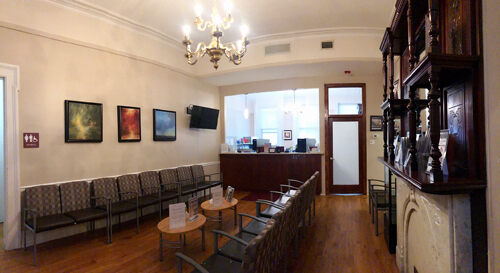
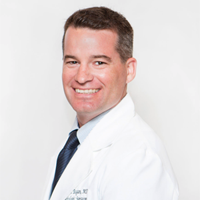
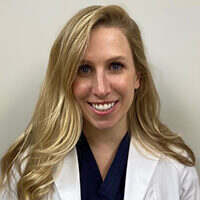
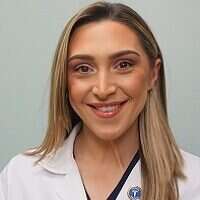
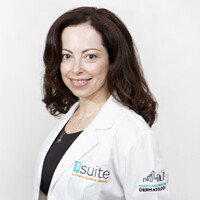
Book an appointment with one of our dermatology providers
To book a cosmetic consultation please contact Anna Shneyder at 267-300-0729

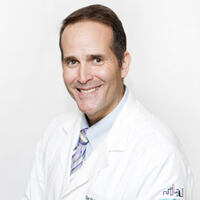
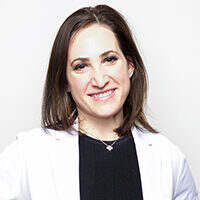
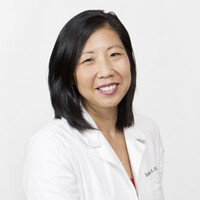

Services Offered at Schweiger Dermatology Group – Pine Street, Philadelphia

Medical Dermatology
Our Schweiger Dermatology Group – Pine Street, Philadelphia office provides comprehensive medical dermatology services, including the following treatments for the skin: acne and acne scar treatments, eczema, psoriasis, scalp psoriasis, dry skin, rosacea, warts, skin tags and many more.

Cosmetic Dermatology
We provide a wide range of cosmetic services at the Schweiger Dermatology Group – Pine Street, Philadelphia office, including laser treatments for wrinkles and aging, dark spots and sun spots, facial rejuvenation, dermal fillers and injectables, body contouring , skin tightening, laser hair removal and more.

Skin Cancer Treatment
Successful treatment for skin cancer depends on early diagnosis. Our dermatology providers at our Schweiger Dermatology Group – Pine Street, Philadelphia provide skin exams and skin checks for diagnosing and treating skin cancer.

Acne Treatments
At Schweiger Dermatology Group – Pine Street, Philadelphia, we treat acne with a combination of at-home care and in-office treatments, including oral or topical antibiotics, oral contraceptives, Isotretinoin (Formerly Accutane®), topical retinoids, laser and light treatments, medical acne facial treatments, and cortisone injections.

Pediatric Dermatology
We evaluate, treat and manage skin problems in pediatric patients, including pediatric acne, pediatric eczema and milia. Our dermatology providers in our Schweiger Dermatology Group – Pine Street, Philadelphia office see patients from birth through 18 years old.

Skin of Color Dermatology
Our dermatology providers address the needs of our skin of color patients. We have vast expertise in treating patients of all skin tones and ethnicities for both medical and cosmetic needs.

Hair Loss
Schweiger Dermatology Group provides advanced methods for treating hair loss. Schweiger Dermatology Group – Pine Street, Philadelphia offers non-surgical hair loss solutions for men and women. We also offer state-of the art hair transplant surgery using FUT and FUE in partnership with Bernstein Medical - Center for Hair Restoration.
Pine Street office patient reviews
“Experience was very quick, staff was so friendly and helpful!”

“Every visit is centered around my needs + concerns. Staff is very pleasant, friendly and thorough. I never have trouble getting an appointment + they are very understanding/flexible.”

“I’ve had Psoriasis for decades… This was the best dermatologist experience I’ve ever had. Was able to be seen almost immediately, and the doctor was super sharp.”

Directions for
Schweiger Dermatology Group – Pine Street, PhiladelphiaOffice
location_on
822 Pine Street,
Suite 2A
Philadelphia, PA 19107
Directions for Schweiger Dermatology Group – Pine Street, Philadelphia Office
location_on 822 Pine Street, Suite 2A Philadelphia, PA 19107
Schweiger Dermatology Group provides medical and cosmetic dermatology services to patients of all ages at our Pine Street location in Philadelphia, Pennsylvania.
Schweiger Dermatology Group – Pine Street is in a classic 1880 brownstone building across the street from the Pennsylvania Hospital. We are located in Suite 2A.
-
Where to Park
Parking is available on the street near the office. There is a paid parking garage nearby on Delancey St. and S. 7th St. at 711 Delancey and nearby South Street has additional parking garage options at S. 11th Street.
-
Landmarks
Our office is located in the historic Washington Square West neighborhood of Philadelphia just south of Center City. The historic Pennsylvania Hospital is directly across the street from our location. We are within 4 blocks of Whole Foods Market, Good Karma Café, Starbucks, Bank of America, Little Italy Pizza, Seger Park, And Washingon Square Park. We are a 10 minute walk from Independence Hall.
-
Directions
Schweiger Dermatology Group – Pine Street is easily accessible by the SEPTA mass transit system. The 9/10th & Locust Street Station on the PATCO line 2 blocks north and the Lombart-South station on the BSL line is six blocks away to the west.
-
Areas Served
Schweiger Dermatology Group – Pine Street serves the Philadelphia, Pennsylvania neighborhoods of Center City, Society Hill, Head House Square, Hawthorne, Queen Village, Little Saigon, Chinatown, Passyunk Square, Dickinson Narrows, Wharton, Old City, and Penn’s Landing. The PATCO line easily connects the office to the City Hall, Broadway, Ferry Avenue, Collingswood, Westmont, Woodcrest, Ashland, and Lindenwold stations in New Jersey.
Frequently Asked Questions
-
What services do you offer at Schweiger Dermatology Group - Pine Street, Philadelphia office?
Schweiger Dermatology Group – Pine Street, Philadelphia is a dermatology care provider offering treatment and services to address all your skincare needs. The prevention and treatment of skin cancer is at the heart of what we do. Other dermatological conditions we treat include herpes, psoriasis, rosacea, eczema, acne, genital warts, melanoma, skin cancer, keratosis pilaris, cold sores, warts, skin tags, rashes, and mole removal.
We also offer innovative and advanced treatment options to our patients, including non-surgical skin tightening, advanced placements of injectables, and overall skin rejuvenation. Our dermatology providers are specially trained on the latest and most effective methods in cosmetic dermatology.
-
What kind of skin conditions do you treat at Schweiger Dermatology Group - Pine Street?
Skin conditions treated at Schweiger Dermatology Group – Pine Street include herpes, psoriasis, rosacea, eczema, acne, genital warts, melanoma, skin cancer, keratosis pilaris, cold sores, warts, skin tags, rashes, and mole removal. However, this is not an exhaustive list. If you have a skin condition that you need looking at, schedule an appointment today.
-
Do you offer Botox® treatments at Schweiger Dermatology Group - Pine Street?
Yes, we offer Botox® treatment for patients who are looking to minimize or reverse wrinkle formation. Only four types of neuromodulators have been approved by the FDA for cosmetic use: Botox®, Dysport®, Jeuveau, or Xeomin.
At the Schweiger Dermatology Group – Pine Street office, we can offer treatment using any of these approved muscle relaxants to help minimize the appearance of fine lines and wrinkles in a way that looks natural. Our board-certified physicians will advise you about your procedure and help you make an informed choice regarding your treatment.
-
Do you offer dermal fillers and injectables at Schweiger Dermatology Group - Pine Street?
Yes, we do! Whether you want to fill in smile lines or add volume to your cheek area, our dermatology providers will advise you on the product that best suits your needs. We can help patients achieve a natural look with treatment for facial rejuvenation using a combination of the most advanced forms of dermal fillers and injectables.
-
What body contouring services do you offer?
At Schweiger Dermatology Group – Pine Street, we offer patients a variety of non-surgical body contouring techniques. Treatment is designed to target specific areas to provide skin tightening and lifting options for those dealing with sagging skin. Our providers can also recommend the best body toning treatments (TruSculpt and CoolSculpting) to help tighten, tone, and contour areas of the body that have not adequately responded to diet and exercise.
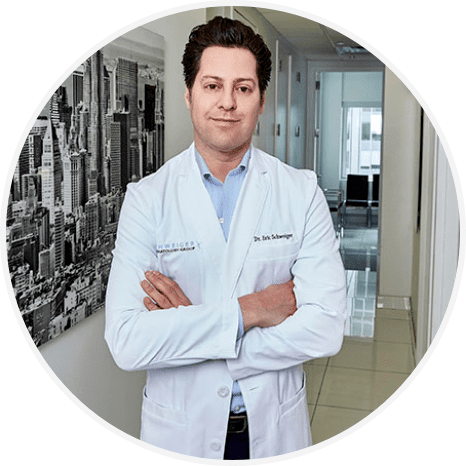
About Schweiger Dermatology Group
Schweiger Dermatology Group was founded to help make excellent dermatology care accessible throughout the Northeast. In 2010, Dr. Eric Schweiger started the practice with a single location in Midtown Manhattan. When he saw the need for high-quality dermatology care that did not require weeks or months of waiting to see a qualified provider, his vision of a multi-location practice was born.

 Shop
Shop